LAHORE — Punjab is set to host a state-of-the-art 100-acre special economic zone as part of a landmark Chinese investment in Pakistan’s textile industry, confirmed on Wednesday through a formal MoU between the Bank of Punjab and Challenge Fashion Private Limited. The agreement marks one of the biggest foreign investments in the province’s textile sector to date.
Project Scope and Economic Impact
The project, backed by Chief Minister Maryam Nawaz Sharif’s pro-investment policies, will produce between two and eight million garments per month using six million metres of locally sourced fabric. Annual exports are expected to exceed $100 million, with products shipped to major American brands.
Employment generation is central to the initiative — 18,000 jobs will be created in the next eight months, with the figure rising to 25,000 within five years.
“We are establishing a magnificent garment city in Punjab and will benefit from the expertise of Challenge Group,” CM Maryam Nawaz said, adding that the province aims to attract China’s largest textile factories and institutions.
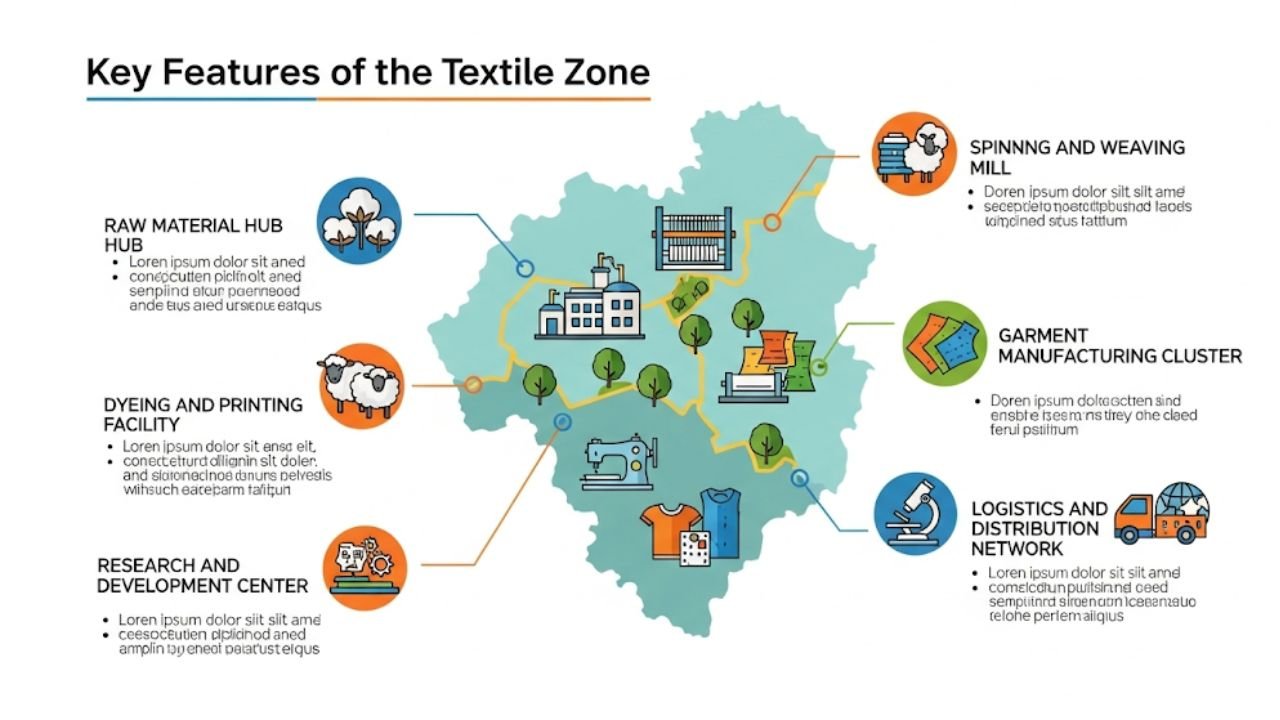
Key Features of the Textile Zone
According to the official statement, the Challenge Special Economic Zone will:
- Span 100 acres in Punjab.
- Incorporate advanced Chinese textile machinery and technology.
- Use plastic waste recycling to produce high-performance fabrics.
- Provide training via TEVTA to supply skilled, market-ready labour.
Challenge Group Chairman Wego Hong praised Punjab’s policies, stating:
“We aim to bring better textile machinery and innovation than what we currently have in China to transform the province’s textile market
Strengthening Pakistan-China Economic Ties
The investment follows CM Maryam Nawaz’s recent visit to China, where discussions focused on expanding bilateral trade and industrial collaboration. The Chinese Consul General Zhao Shiren joined Wednesday’s meeting, highlighting the significance of textile cooperation under the Pakistan-China strategic partnership.
Economists view the deal as a major boost for Punjab industrial development, enabling local suppliers to integrate into high-value export chains while reducing dependency on imported fabrics.