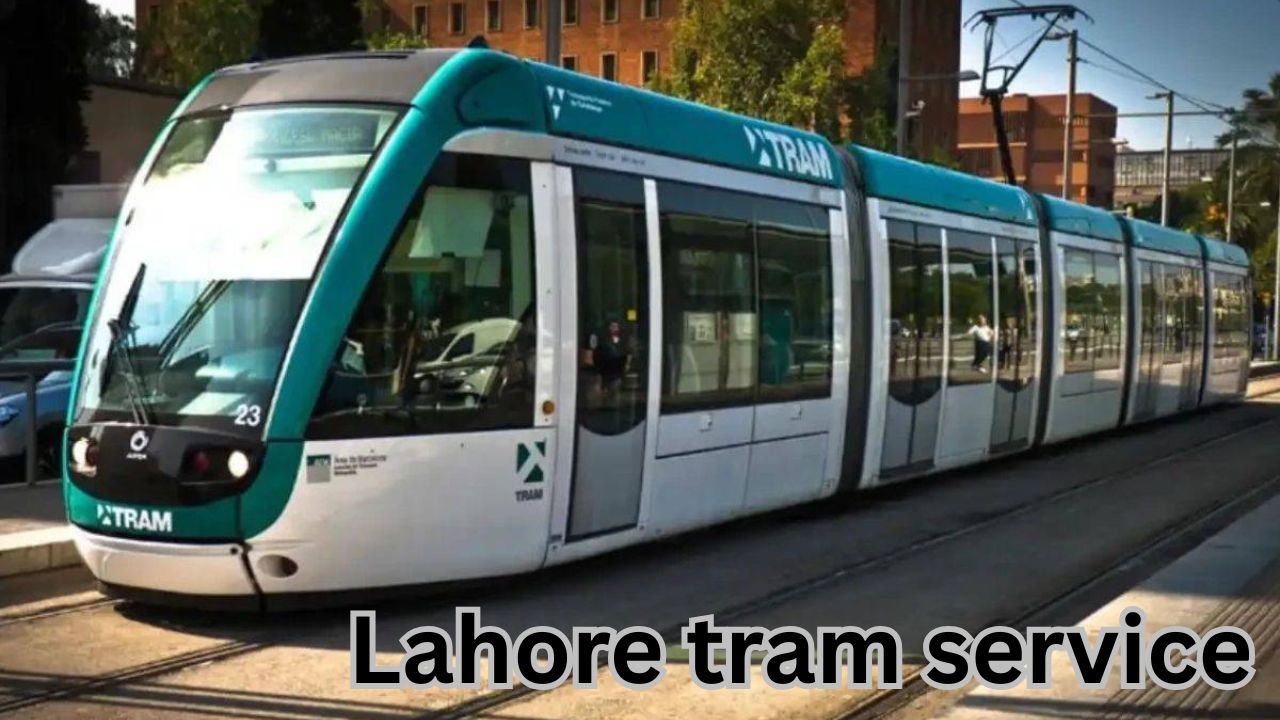
The Punjab government has confirmed the Lahore tram service launch for February next year, after a successful trial run. The first line will connect Thokar to Harbanspura, with each tram accommodating up to 270 passengers. Officials say the $3 million project aims to reduce rising pollution and provide safer, cleaner transport options for the city’s commuters.
Details of the Project
Transport Minister Bilal Akbar stated that the trial phase had been completed successfully, paving the way for public operations next year. “The Lahore tram service will be operational from February 2026 and will initially run between Thokar and Harbanspura,” he confirmed.
According to official documents, the tram project has been developed in collaboration with NESPAK and the Punjab Mass Transit Authority. Senior officials recently visited China to finalize technical aspects and ensure international standards are met.
Key project facts:
- Route: Thokar to Harbanspura
- Capacity: 270 passengers per tram
- Cost: $3 million
- Trial: Successfully completed in 2025
Expansion Beyond Lahore
The tram initiative is part of a wider network of Punjab government transport projects. Bilal Akbar also revealed plans for metro train systems in Faisalabad and Gujranwala.
- Faisalabad Metro Train
- Expected daily ridership: 300,000 passengers
- Project cost: $110 million
- Gujranwala Metro Train
- Expected daily ridership: 140,000 passengers
- Project cost: $50 million
These projects are designed to reduce reliance on motorcycles and private vehicles, which are among the largest contributors to urban pollution.

Tackling Pollution and Congestion
Officials emphasized that Lahore is struggling with increasing levels of air pollution, largely due to motorcycles and rickshaws. The tram service, along with upcoming metro systems, is part of a broader strategy to provide public transport in Punjab that is both eco-friendly and efficient.
“Environmental sustainability is now a transport priority,” a senior Punjab Mass Transit Authority official noted, adding that the tram’s electric system would significantly cut emissions compared to conventional vehicles.
Public Response and Outlook
Urban planners and environmental advocates have welcomed the initiative, stressing its potential to improve Lahore’s quality of life. If successful, the Lahore tram trial could serve as a model for other Pakistani cities facing similar transport and pollution challenges.
The government has yet to release details on fare structures, schedules, or expansion timelines, but officials insist the February 2026 deadline will be met.
Conclusion
With Lahore’s first modern tram set to launch next year, Punjab is taking a major step toward sustainable urban mobility. The project underscores the government’s push to modernize public transport in Punjab and tackle worsening pollution.