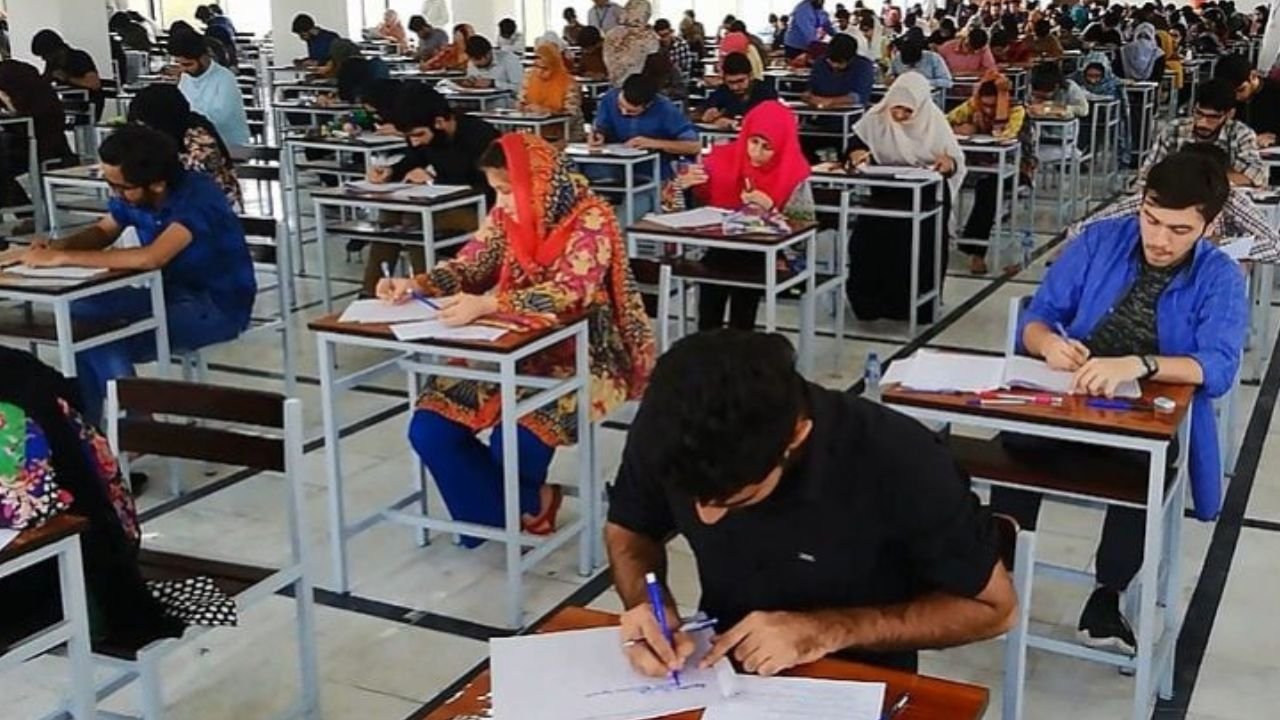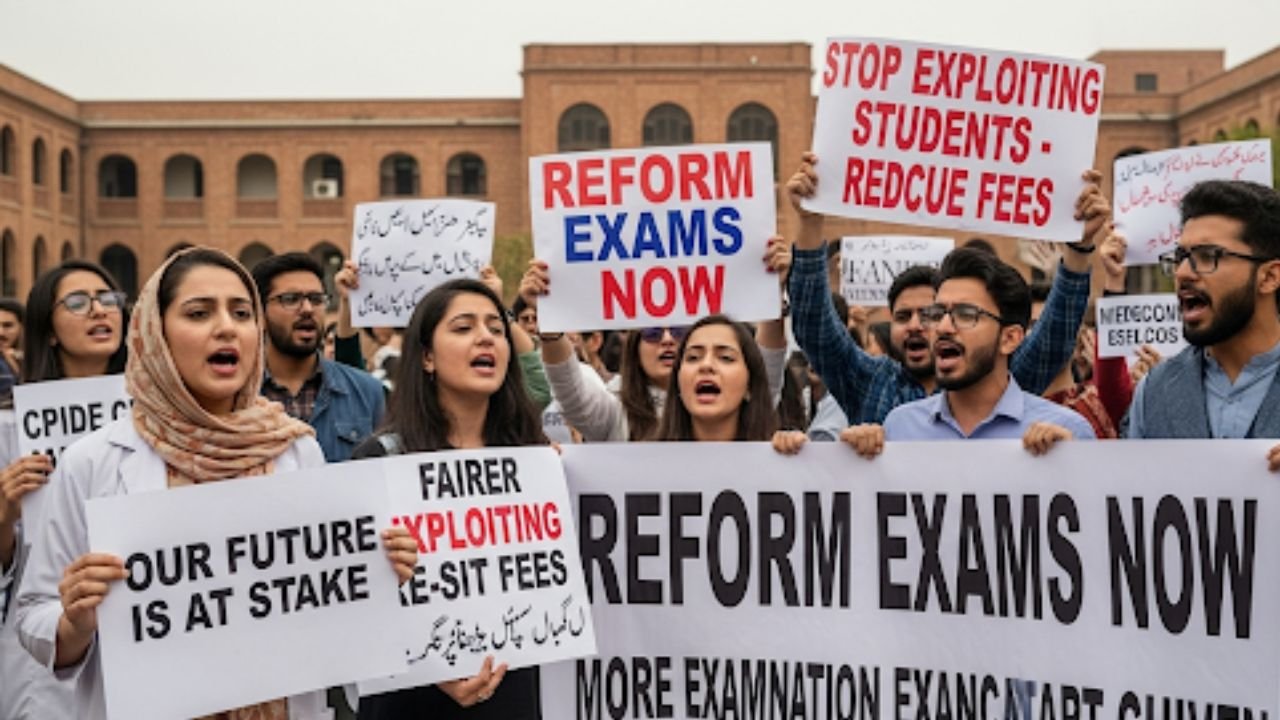
The Planning Commission of Pakistan has recommended major reforms in the MBBS and BDS evaluation system stating that the existing criteria are too rigid. The proposal has been forwarded to the federal health ministry for review with a focus on easing rules that are causing thousands of medical students to lose academic years over minor shortfalls.
Students Raise Complaints Over Current Rule
Medical students from across the country approached the Deputy Chairman of the Planning Commission arguing that the University of Health Sciences (UHS) system is unfair.
Under the current rule, students must secure at least 50 percent marks separately in theory and practical exams. Even if a student excels in practicals falling short by a single mark in theory results in complete failure and loss of an academic year.

For example:
- Each exam block has 75 marks in theory and 75 in practicals.
- Failing theory in any block leads to disqualification regardless of practical performance.
High Failure Rate in July 2025 Results
The issue intensified after the July 2025 supplementary exams where failure rates shocked both students and policymakers:
- Out of 1,195 first-year MBBS candidates more than 500 failed.
- Across all MBBS and BDS classes nearly 1,700 students were declared unsuccessful.
Many who failed had cleared practical exams but missed theory by a margin of just a few marks.
Comparison With India’s Medical Education System
Students highlighted that in India, medical exams follow a weighted average system where theory and practical scores are combined on either a 60:40 or 40:60 ratio.
- If the combined score reaches 50 percent, the student passes.
- By contrast, Pakistan’s rigid separation between theory and practical leads to disproportionate failures.
This comparison has fueled demands for Pakistan to bring its system in line with regional and global practices.

Planning Commission Findings
Following an internal inquiry, the Planning Commission concluded that students complaints were valid. Officials noted that the “one-supplementary” rule is unfair particularly for students facing illness, emergencies or other hardships during a single exam attempt.
The Commission has now advised that:
- Students failing narrowly should be reassessed under a weighted average method.
- If combined marks reach 50 percent, they should be declared successful.
- Regulations should be amended through the Pakistan Medical and Dental Council (PMDC) to prevent unnecessary loss of academic years.
Experts and Parents Demand Swift Action
A former vice chancellor supported the reforms arguing that wasting an entire year over a few marks is unreasonable. He suggested that students be allowed to advance conditionally to the next year while clearing failed subjects.
Parents have also raised financial concerns:
- Private medical colleges charge PKR 2.5–2.8 million annually.
- Repeating a year due to minor failures imposes a heavy burden especially on families already struggling with economic hardships and flood-related damages.
Students and parents are urging PMDC to act immediately either by adopting the weighted average formula or by introducing conditional promotion policies.
Next Steps for PMDC and Universities
The findings have been officially shared with Federal Health Minister Syed Kamal Mustafa. The Planning Commission has recommended directing the PMDC to amend regulations and instruct universities to review recent results.
If implemented, the reforms could impact thousands of MBBS and BDS students nationwide aligning Pakistan’s medical education standards with regional norms while reducing academic and financial stress.