Pakistani federal government has finalized a debt re-profiling plan with Chinese Independent Power Producers (IPPs) to ease the country ballooning circular debt and reduce power tariffs for millions of consumers. The arrangement set to be presented to Prime Minister Shehbaz Sharif ahead of his upcoming China visit includes a multi-billion-rupee refinancing package, a push for local coal conversion and negotiations on waiving massive Late Payment Surcharges (LPS).
Major Restructuring to Address Circular Debt
The Central Power Purchasing Agency-Guaranteed (CPPA-G) currently owes around Rs 475 billion to Chinese IPPs operating under the China–Pakistan Economic Corridor (CPEC) framework. The finalized plan prepared jointly by the Power Division and Finance Division seeks to refinance Rs 1.275 trillion in loans cutting the total circular debt from Rs 1.614 trillion to about Rs 330 billion.
Officials confirmed that discussions are ongoing to secure a Rs 76 billion LPS waiver in addition to Rs 260 billion already achieved from other power producers. These concessions are expected to directly impact Power Holding Limited’s (PHL) liabilities and help bring down electricity tariffs through a Debt Service Surcharge (DSS) of Rs 3.34/kWh.
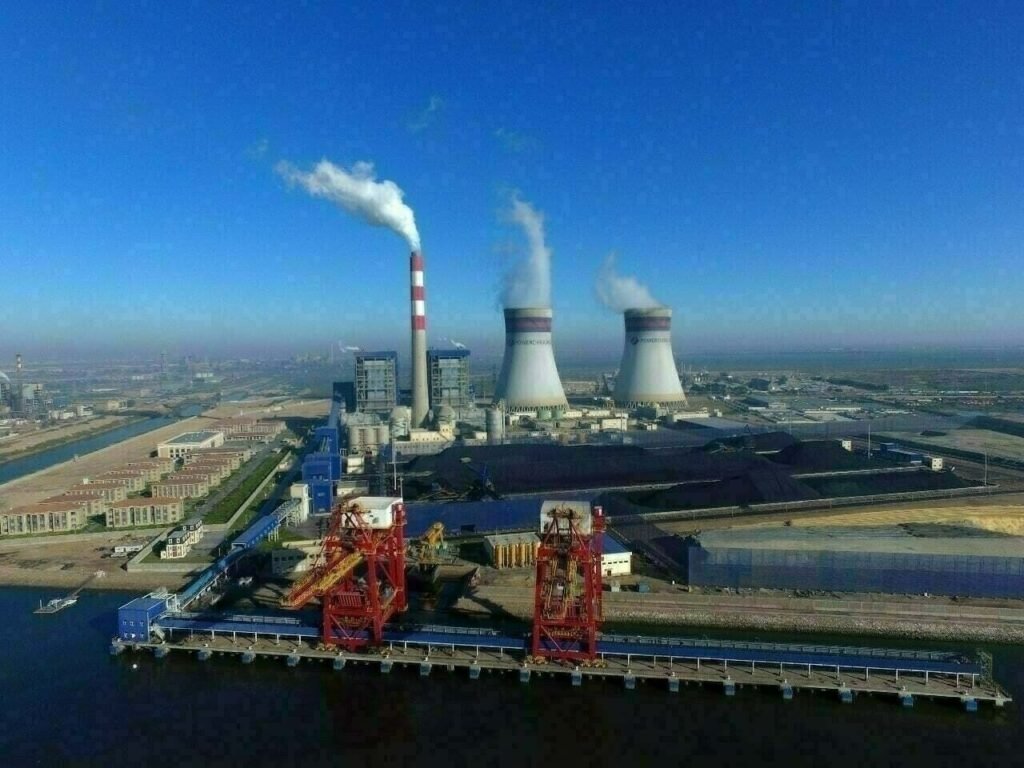
PM Shehbaz to Raise LPS Write-Off in Beijing
Prime Minister Shehbaz Sharif is scheduled to attend the Shanghai Cooperation Organization Conference in China later this month where he will raise the LPS write-off request with top Chinese leadership.
“This is a critical opportunity to secure relief that will benefit Pakistan’s energy consumers and support our broader economic stability goals,” said a senior Power Division official.
Planning Minister Ahsan Iqbal who oversees CPEC projects, is finalizing the agenda for the visit which also includes proposals to convert imported coal-based Chinese power plants to locally mined coal to reduce fuel import costs.
Key Figures of Debt Re-Profiling Plan
- Total Refinancing: Rs 1.275 trillion through 18 commercial banks.
- Targeted Debt Reduction: From Rs 1.614 trillion to Rs 330 billion.
- LPS Waiver Achieved: Rs 260 billion; Rs 76 billion under negotiation.
- Debt Swap Duration: Six years staggered repayments until 2041.
- Tariff Impact: Potential cut of Rs 2–3 per unit for consumers.
International Concerns and Economic Implications
While the restructuring plan is seen as a breakthrough, it comes amid concerns from the World Bank and other development finance institutions that repeated contract renegotiations could weaken investor confidence in Pakistan’s power sector.
Finance Minister Muhammad Aurangzeb, however, stressed that the plan is consistent with IMF requirements for fiscal discipline and is designed to protect the rupee by reducing foreign exchange outflows on energy imports.
“This is not just a debt deal—it’s part of a sustainable energy strategy,” Aurangzeb stated.
Role of CPEC in Energy Security
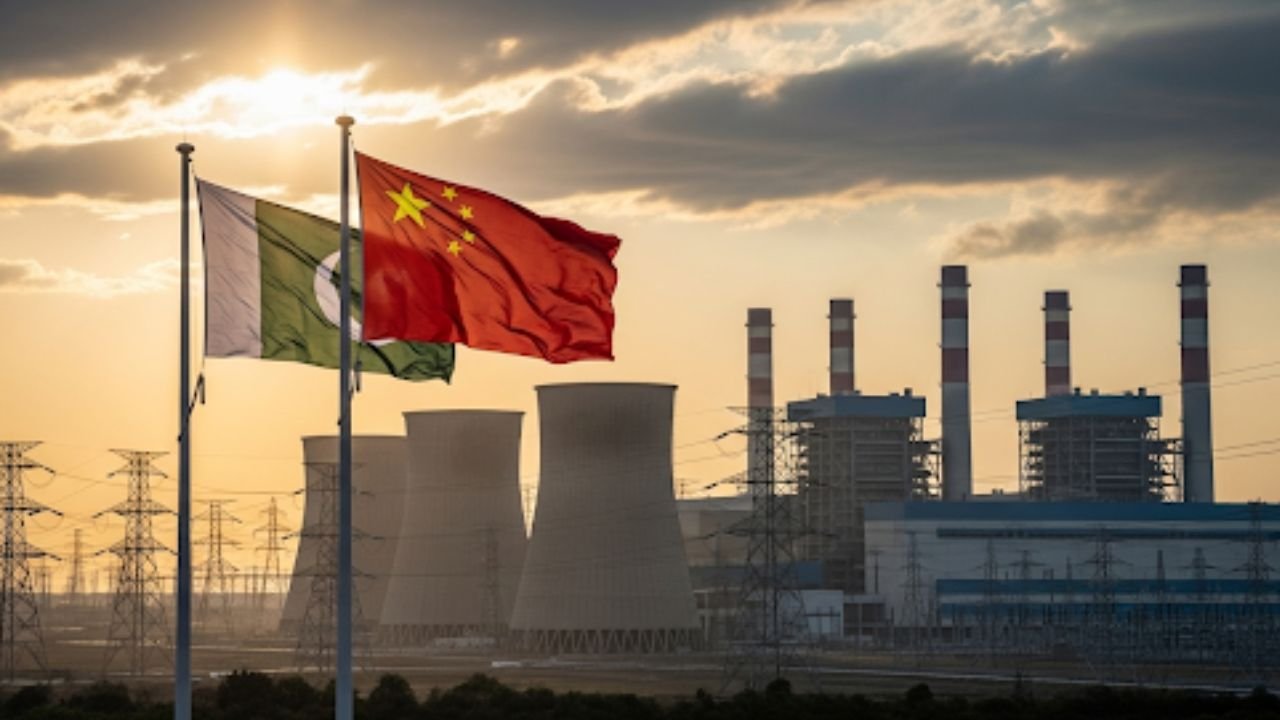
Chinese IPPs have been central to Pakistani energy expansion under CPEC adding thousands of megawatts to the national grid since 2015. However, delayed payments and high capacity charges have strained the sector. The current refinancing deal is intended to restore operational liquidity and ensure reliable power generation without further burdening consumers.
By prioritizing local coal conversion, Islamabad hopes to cut annual fuel import bills by hundreds of millions of dollars while maintaining steady supply for industrial and residential use.
Execution Timeline
The Cabinet approved the transaction on June 18, 2025. Most legal and banking documents have been signed with final execution expected this week or early next week. Funds will be disbursed within 90 days of execution with immediate settlement of the largest Chinese IPP dues.