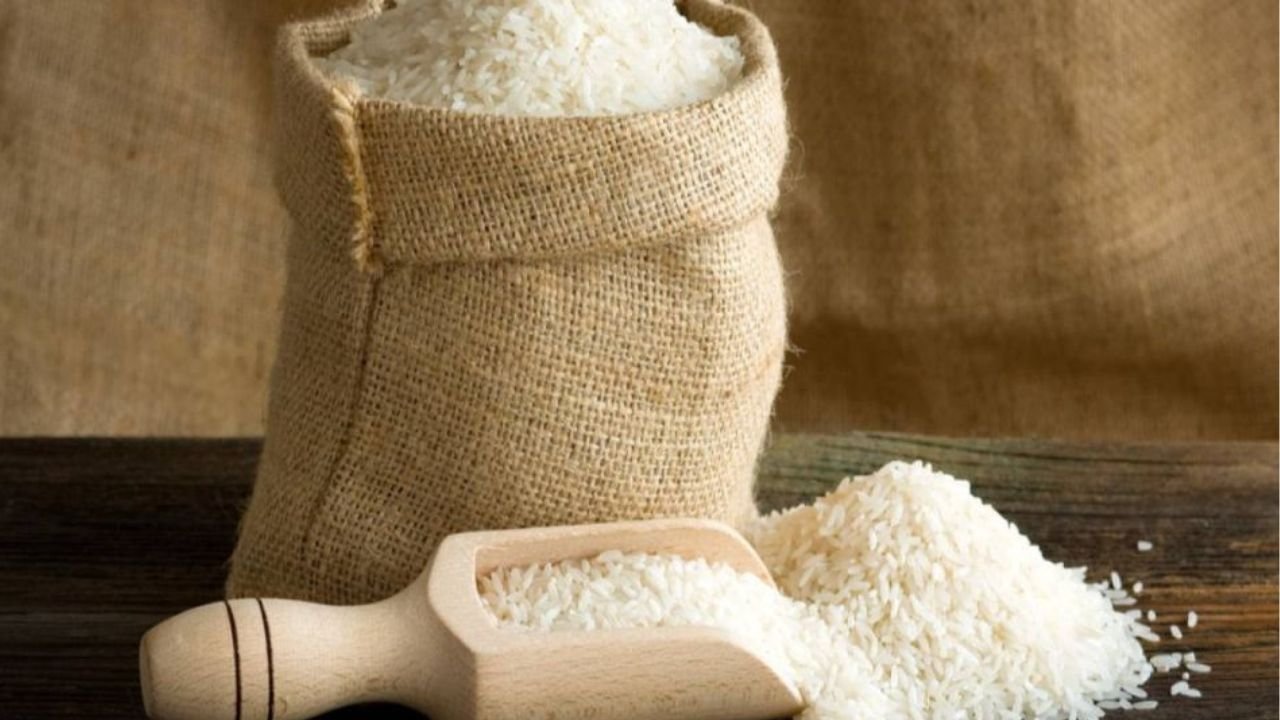
Pakistani agricultural exports have made significant gains in the Chinese market this year. According to the data of the General Administration of Customs of China, Pakistan exported rice worth $44.31 million to China during January-August 2025 which was 6.30 million in the same period last year. Thus, an increase of about 70% has been recorded in exports.
Export Details
The highest share of exports came from semi- or wholly milled rice (HS Code 10063020) which rose to $33.67 million in 2025 up from just $5.63 million in 2024. Broken rice also performed well reaching $7.71 million.
- Total Exports (Jan–Aug 2025): $44.31 million
- Exports in same period 2024: $26.30 million
- Growth: 68.5%
- Semi/wholly milled rice: $33.67m (2025) vs. $5.63m (2024)
- Broken rice: $7.71m
| Rice Type | 2024 (Million $) | 2025 (Million $) | Change |
| Semi/wholly milled rice | 5.63 | 33.67 | Significant rise |
| Broken rice | ~6.00 | 7.71 | Better performance |
| Total Exports | 26.30 | 44.31 | +68.5% |
Expert Opinions and Concerns
According to a senior official from Pakistan’s Ministry of Commerce, the sharp increase is primarily due to the taste, quality and competitive pricing of Pakistani rice in the Chinese market. In addition, the Pakistan-China Free Trade Agreement and closer collaboration between exporters and importers played a key role.
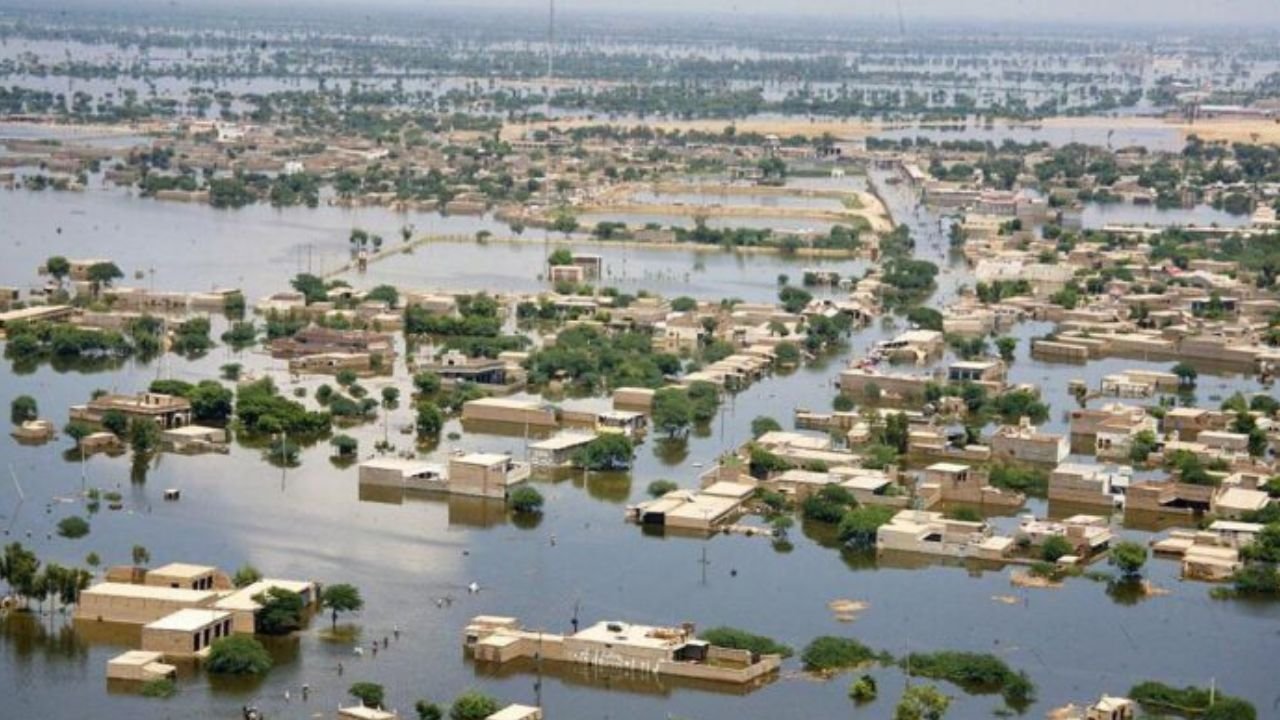
Experts, however, have some concerns. According to Owais Mir, CEO of Dynamic Engineering and Automation, the recent heavy rains and floods in Pakistan have damaged the agricultural sector, which may affect the export volume in the coming months. He said Pakistan should focus on value-added products while reducing its dependence on raw materials as part of a long-term policy.

He further advised that Pakistan must adopt modern technologies particularly artificial intelligence (AI) and learn from China’s result-oriented agricultural models to ensure sustainable growth.
New Prospects in Flaxseed Cultivation in Pakistan
Alongside the surge in rice exports, another agricultural breakthrough has emerged in Pakistan. A field study conducted in Sindh revealed that three Chinese flaxseed varieties — Longya-10, Longya-14 and Long Xuan-1 outperformed the local variety (Ilsi-90).
The research was jointly carried out by the Gansu Academy of Agricultural Sciences (GAAS) and Sindh Agriculture University (SAU) aiming to boost Pakistan’s declining flaxseed yield which currently averages 692 kg per hectare compared to 1,000 kg in China and 1,385 kg in Canada.
Key Features of Study
- Adopted a randomized block design with three replications and five fertilizer combinations.
- Various agronomic recorded traits such as plant height, number of branches, seed weight and oil content.
- The Longya-14 emerged as most successful variety delivering optimal results with ideal fertilization.
Performance of Longya-14
- Average plant height: 78.5 cm
- Branches per plant: 17
- Pods per plant: 12
- 1,000-grain weight: 7.5 g
- Yield: 1,089.3 kg per hectare
- Oil content: 40.12%
- Higher levels of nitrogen, phosphorus and potassium in leaves and seeds compared to local variety Ilsi-90.
Overall Outlook
These two parallel agricultural developments, a sharp rise in rice exports and successful flaxseed research highlight that Pakistan holds vast opportunities both in accessing global markets and in boosting domestic yields. However, experts agree that for sustainable growth, Pakistan must adopt modern scientific methods, strengthen infrastructure and focus more on policy measures to cope with climate change.